
1
Set the scene
Start with context
Fill the frame
2–3 ft for close-ups; keep ladders, cords and workers fully in view.
Confined spaces, sewer gas, trenches, and water pressure
Plumbers work where the dangers are hidden — inside vaults and manholes, in open trenches, and around sewer gas that can kill without warning. OSHA Scan analyzes photos of plumbing job sites to catch unsafe confined-space entries, unprotected trenches, and missing controls before a worker goes below grade.
Free · No account needed to scan · Results in seconds
confined-space deaths a year across trades
trench depth that requires protective systems
sewer gas that is lethal and deadens smell
to lose consciousness in low-oxygen air
Upload a real job-site photo and OSHA Scan detects visible plumbing hazards in seconds — no account needed to run your first scan.
Use the real site or facility name. If you save the scan after signup, it becomes the report name.
Three angles, one deeper scan
Only the wide shot is required — every extra angle gives the AI more places to look.
Required: Set the scene — one wide shot lets the AI sweep the whole area at once
Stand at the entry point and capture corner to corner: floors, ladders, scaffolds, and everyone at work
Drop a job-site photo or walkthrough video
Click to upload, drag & drop, or snap a photo on site. Photos scan free in about 15 seconds — no signup, no card. Video walkthroughs (up to 3 min) run on a free account.
Small habits, sharper scans
Set the scene
Start with context
Fill the frame
2–3 ft for close-ups; keep ladders, cords and workers fully in view.
Capture clearly
Make the frame usable
Light it right
Keep the sun or lights behind you — glare and shadows hide hazards.
Tap to focus
Tap the hazard on screen and hold still one second — blur can't be flagged.
Choose the useful view
Give the AI room to understand
Go landscape
Turn your phone sideways — a wider frame catches more of the scene.
Only upload photos you have permission to use, and avoid images showing personal, customer, or confidential information. Demo photos and results are held privately for up to 48 hours so you can save them to a free account; unclaimed photos are deleted automatically. Results are an AI-assisted preliminary review, not an official OSHA determination.
Here is what an OSHA Scan report looks like for plumbing hazards. It is an illustrative example built from this trade's hazards — clearly marked, not live scan data.
Compliance score
64
Lower means more potential hazards found
3 potential hazards found
Sewer gas in a manhole
Possibly related to Permit-required confined spaces (29 CFR 1910.146)
Observed condition: A plumber descends into a manhole to clear a line without testing the atmosphere.
Corrective action: Ventilate confined spaces and test the atmosphere before and during entry
High confidence
Trench collapse
Possibly related to Excavations and protective systems (29 CFR 1926.651 & 1926.652)
Observed condition: A worker enters a five-foot trench to connect a sewer lateral with no shoring or sloping.
Corrective action: Use trench boxes, shoring, or proper sloping for excavations
Medium confidenceNot fully clear from the photo — verify on site.
Confined-space asphyxiation
Possibly related to Lockout/tagout (29 CFR 1910.147)
Observed condition: A plumber enters a below-grade vault with poor ventilation.
Corrective action: Depressurize and drain lines before cutting into them
High confidence
Illustrative AI-assisted workflows. Review the findings; they are not a compliance certification.
Plumbing combines several of the most serious hazard categories in the trades. Much of the work happens in confined spaces — vaults, manholes, tanks, and crawl spaces — where oxygen can be displaced or consumed and toxic gases can accumulate. Underground work also means trenches and excavations that can collapse and bury a worker in seconds.
Primary OSHA standard: 29 CFR 1910.146
Plumbing combines several of the most serious hazard categories in the trades. Much of the work happens in confined spaces — vaults, manholes, tanks, and crawl spaces — where oxygen can be displaced or consumed and toxic gases can accumulate. Underground work also means trenches and excavations that can collapse and bury a worker in seconds.
Sewer gas is a signature plumbing hazard. It is a mix of gases including hydrogen sulfide and methane; hydrogen sulfide is lethal at high concentrations and quickly deadens the sense of smell, so workers lose their only natural warning. Methane displaces oxygen and is explosive, turning a sewer or vault into both an asphyxiation and an ignition risk.
Plumbers also face high-pressure water and steam that can cause injury when lines are cut without depressurizing, electrical hazards from working around energized equipment and water together, and biological exposure from wastewater. The underground, wet, and enclosed nature of the work is what makes these hazards so easy to underestimate.
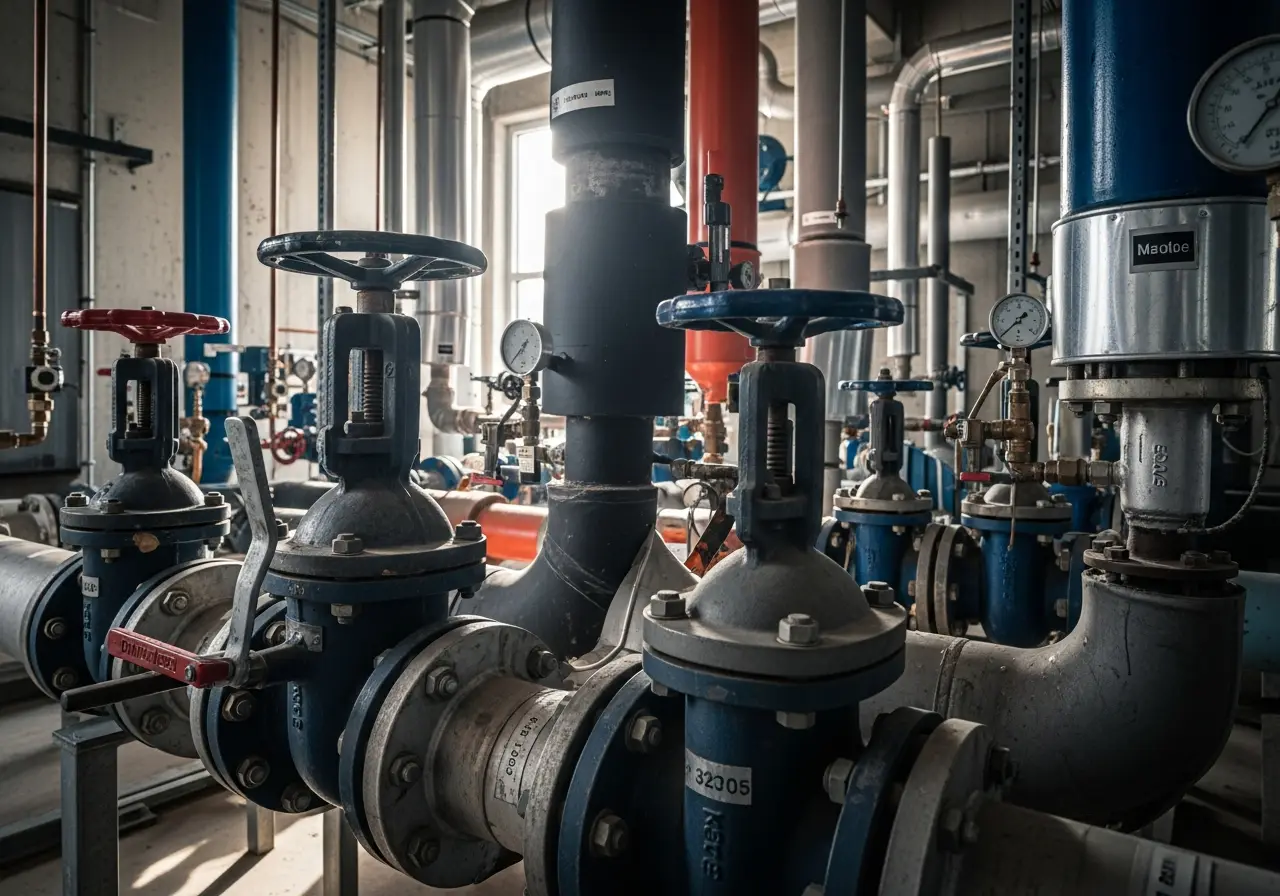
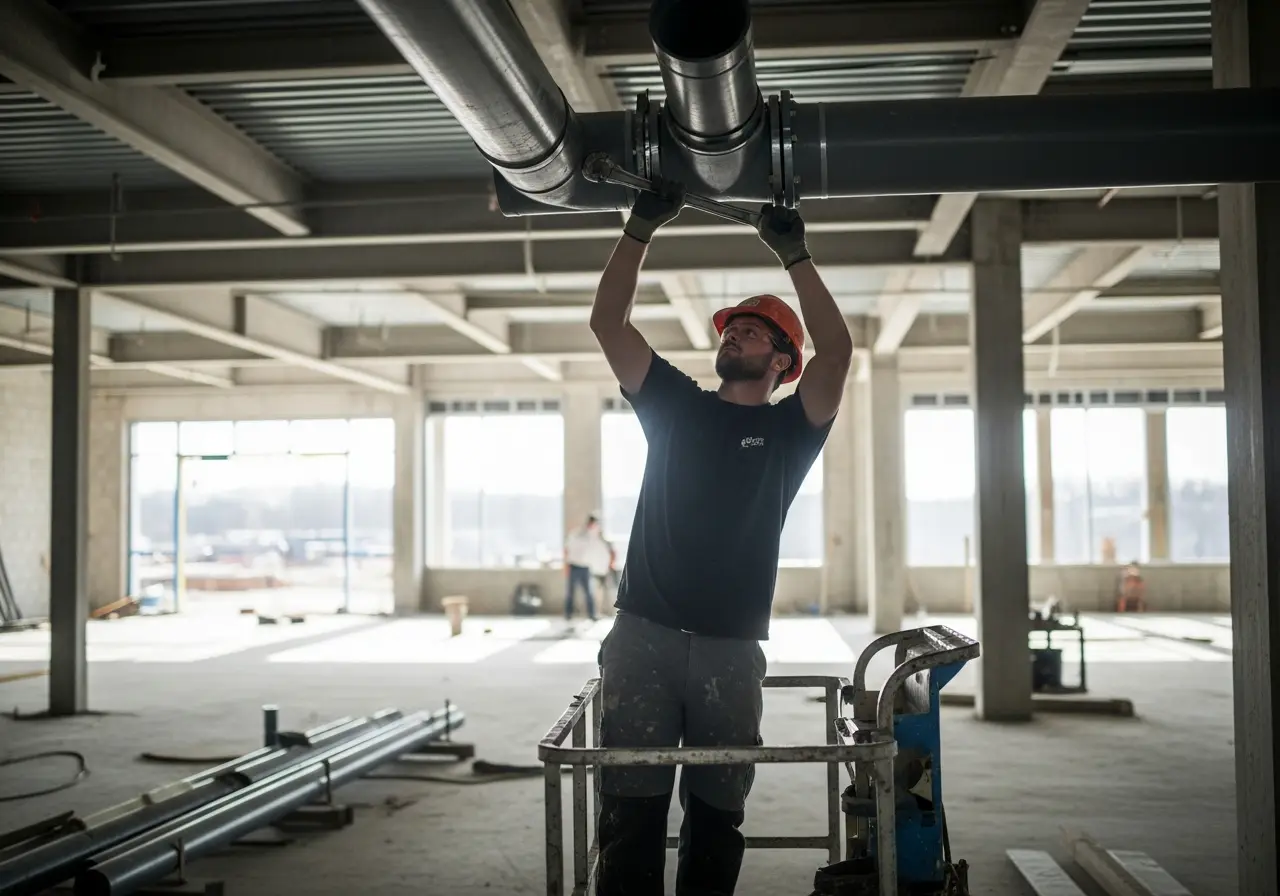
Confined-space and trenching standards are strictly enforced, and plumbing work routinely triggers both. Violations carry serious penalties.
Sewer gas and oxygen deficiency cause rapid loss of consciousness; trench collapse is frequently fatal within minutes.
A confined-space or trench fatality brings a full OSHA investigation, work stoppages, and litigation that can threaten a plumbing business.
Commercial and municipal clients expect documented confined-space and excavation programs from their plumbing contractors.
A plumber descends into a manhole to clear a line without testing the atmosphere. Hydrogen sulfide overwhelms him and, because it deadens smell, he collapses before recognizing the danger.
A worker enters a five-foot trench to connect a sewer lateral with no shoring or sloping. The wall gives way and buries him before coworkers can dig him out.
A plumber enters a below-grade vault with poor ventilation. Oxygen has been consumed by decomposition and he loses consciousness within minutes.
A plumber cuts into a pressurized water line without shutting off and relieving pressure. The sudden release injures him and floods the space.
A plumber uses a corded tool in standing water without GFCI protection. A fault energizes the water and delivers a shock.
The federal regulations that govern plumbing work.
Requires atmospheric testing, permits, ventilation, an attendant, and rescue provisions for vaults, manholes, and tanks plumbers enter.
Requires sloping, shoring, or trench boxes for excavations five feet or deeper and daily inspection by a competent person.
Requires isolation of pressurized and energized systems before cutting or servicing lines and equipment.
Requires GFCI protection for temporary power, critical when plumbers use electric tools in wet environments.
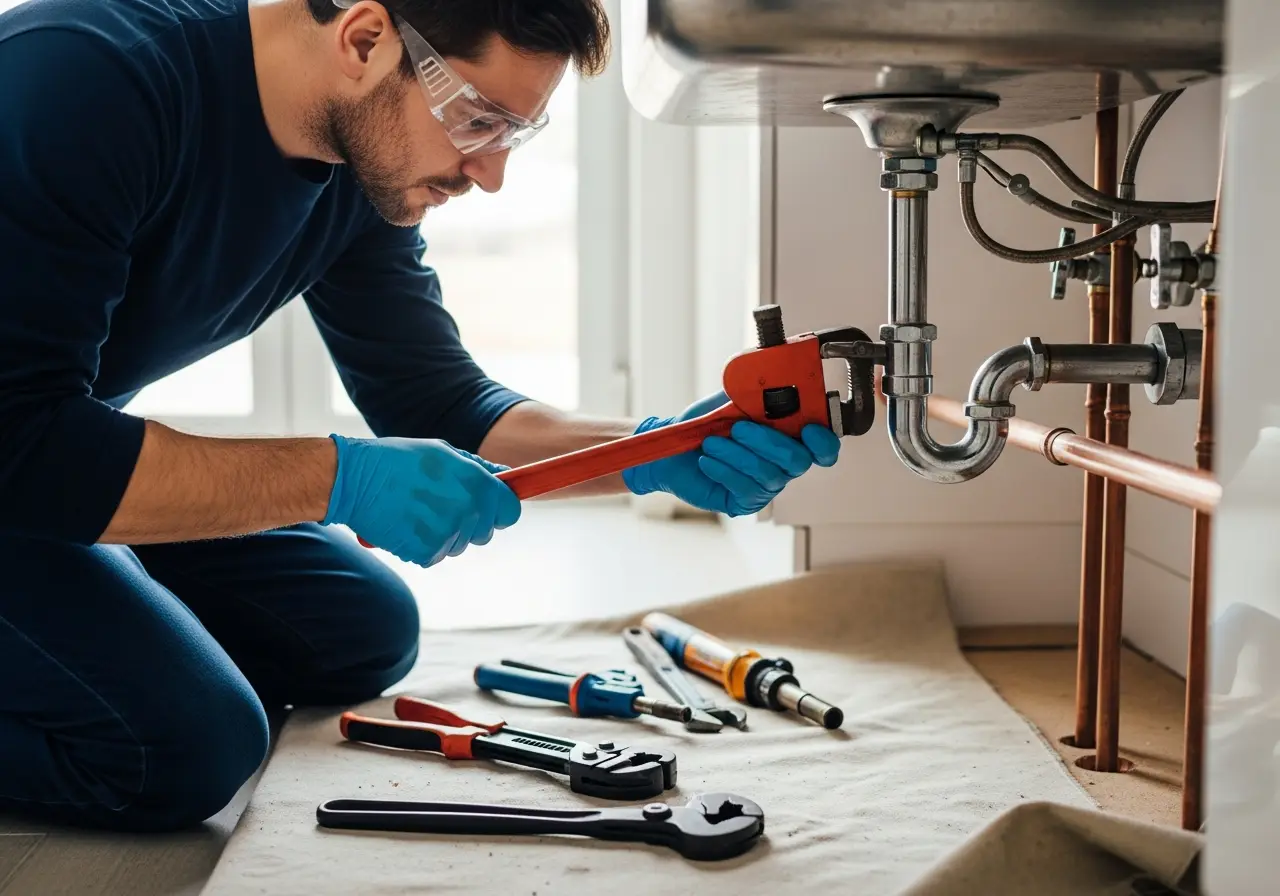
Work top-down through the hierarchy of controls — eliminate the hazard first, then fall back to procedures and PPE.
Make the space and the excavation safe before entry.
Apply confined-space and excavation discipline to every below-grade job.
Protect against atmospheric, biological, and electrical hazards.
Confined-space and trench hazards are only controlled when entrants, attendants, and a competent person are trained and verified for their roles.
OSHA Scan reviews photos of plumbing job sites to flag manhole and vault entries without ventilation or an attendant, trenches deeper than five feet with no shoring or sloping, spoil piles stacked at the trench edge, and electric tools used in wet areas without GFCI protection. Each finding cites the applicable OSHA standard and generates a corrective-action checklist, so a supervisor can catch a fatal confined-space or trench setup from a phone photo before work goes below grade.
Yes — they are classic permit-required confined spaces. They are large enough to enter, have limited access, are not designed for continuous occupancy, and often contain atmospheric hazards like sewer gas or oxygen deficiency. Entry requires atmospheric testing, ventilation, a permit, an attendant, and a rescue plan.
Sewer gas contains hydrogen sulfide, which is toxic and, at high concentrations, quickly paralyzes the sense of smell so workers lose their warning of danger. It also contains methane, which displaces oxygen and is explosive. A gas monitor is essential because you cannot rely on odor to detect a lethal atmosphere.
OSHA requires a protective system — sloping, shoring, or a trench box — for excavations five feet deep or more, and for shallower trenches when a competent person identifies a cave-in hazard. A competent person must inspect the excavation daily and after any event, like rain, that could affect stability.
Shut off the supply, then relieve the pressure by opening a downstream valve or fixture and draining the line before cutting. For steam or hot-water systems, allow the line to cool. Cutting into a live pressurized line can cause injury from the release and flood the work area.
Because plumbing work mixes electricity and water, always use GFCI-protected tools and temporary power, keep cords out of standing water, and lock out electrical equipment before servicing it. Water is highly conductive, so a fault that would be minor on dry ground can be lethal in a wet space.
No. OSHA requires a trained attendant stationed outside a permit-required confined space at all times. The attendant monitors conditions, maintains communication, and initiates rescue. Entering alone is one of the most common factors in confined-space fatalities.
Confined-space and excavation violations are strictly enforced because they so often result in fatalities. Serious violations run into the thousands of dollars per instance, while willful or repeat violations can reach the statutory maximum of well over $160,000 each, with amounts adjusted for inflation annually. OSHA commonly cites plumbing contractors for permit-required confined-space failures under 1910.146, missing trench protective systems under 1926.652, inadequate lockout/tagout under 1910.147, and missing GFCI protection under 1926.404. Trenching in particular is an OSHA national emphasis program, so inspectors respond quickly to unprotected excavations. A trench collapse or confined-space fatality triggers a comprehensive investigation that typically uncovers additional citations, and willful violations tied to a death can lead to criminal referral. For a plumbing business, the fines combined with litigation and lost municipal or commercial contracts can far exceed the direct OSHA penalty.
OSHA requires that entrants, attendants, and entry supervisors be trained before they are assigned confined-space duties, and retrained whenever there is a change in assigned duties, a new hazard, or a deviation in procedures, or when their performance shows gaps in knowledge. Competent persons for excavation must be trained to recognize soil conditions, hazardous atmospheres, and protective-system requirements. While OSHA does not mandate a fixed annual interval, most plumbing contractors conduct refresher training at least yearly and reinforce it with job-specific toolbox talks before below-grade work. Gas-monitor users need training on calibration and bump testing, and rescue personnel require additional practice. Keeping signed training records with dates and topics is essential because inspectors and clients routinely verify that everyone entering a confined space or trench is currently trained for their specific role.
Every permit-required confined-space entry must have a rescue plan established before anyone goes in, and it must not rely on entrants attempting to save each other, since would-be rescuers are frequent second victims. Non-entry retrieval is preferred: entrants wear a harness attached to a retrieval line and mechanical hoist so an attendant can pull them out without entering. If entry rescue is necessary, only trained, properly equipped rescuers using supplied air should enter. The attendant must be able to summon rescue immediately, maintain communication, and never enter the space themselves. The plan should confirm that whatever rescue service is designated can respond in time, list emergency contacts and the exact location, and ensure atmospheric monitoring and ventilation continue throughout. Crews should practice retrieval so the setup is second nature before a real emergency.
Plumbing contractors should retain confined-space entry permits documenting atmospheric test results, ventilation, the attendant and entrants, and the rescue arrangements for each entry. Excavation work requires daily competent-person inspection records noting soil conditions, protective systems, and any hazards found and corrected. Gas-monitor calibration and bump-test logs prove that instruments were reliable at the time of entry, and training records must show that entrants, attendants, entry supervisors, and competent persons are currently qualified for their roles. Equipment inspection records for harnesses, retrieval systems, and trench boxes should be kept as well. Any injury goes on the OSHA 300 log, retained for five years, with serious incidents reported to OSHA within the required timeframes. These records matter because inspectors and municipal or commercial clients routinely request proof of permits, inspections, calibration, and training, and missing documentation can be cited even when the work was performed safely.
Run through this before, during, and after every job.
14 more checklist points are waiting. Register with your email to reveal every item and download the complete OSHA compliance checklist as a printable PDF. Free, and it only takes a few seconds.
Already have an account? Sign in
A plumbing contractor was clearing a blocked municipal line. A plumber descended into a manhole to work on the connection, expecting a routine job, and no atmospheric test or ventilation had been set up.
Hydrogen sulfide had accumulated in the manhole. Because the gas rapidly deadened his sense of smell, the plumber never recognized the danger and collapsed. His helper began to climb down to assist before a nearby crew stopped him from becoming a second victim.
The contractor implemented a full confined-space program — calibrated multi-gas monitors, forced-air ventilation, permits, trained attendants, and non-entry retrieval — for every manhole and vault. It adopted OSHA Scan to photo-verify that ventilation, monitors, and an attendant were in place before any entry.
The plumber recovered, and the contractor recorded no further confined-space incidents. Crews reported that the required setup actually made jobs more predictable, and the company passed its next municipal safety prequalification without findings.
Snap a photo of the job site, and the AI categorizes findings against OSHA standards in seconds.
Each finding includes consistent corrective actions and structured JHA outputs. Check items off as your crew resolves them.
Build a searchable chemical library from label photos. Review manufacturer SDS matches when available and follow the status of missing documents.
Missing-document requests enter a review queue; they do not automatically contact suppliers.
Invite admins, managers, and supervisors with role-based access that keeps the right people in control.
A qualified person must review AI-flagged items before making safety decisions. Do not replace required comprehensive safety walkthroughs with AI reports. Features, limits, and downloads depend on your account’s plan and permissions.
OSHA Scan reads a single photo. That makes it fast and easy for anyone on site — but it also means it has real limits. Here's an honest look at both.
Reviewed by OSHA Scan Editorial
This content is produced by the OSHA Scan Editorial team and reviewed with AI assistance. It is general safety information, not legal or compliance advice. OSHA Scan is an independent tool and is not affiliated with, endorsed by, or certified by OSHA or the U.S. Department of Labor.
Upload a photo of your plumbing job site and get an instant, OSHA-cited hazard report.
Start your free trial